

Oil Boiler Filter Maintenance: Key Signs to Look For

RECENT NEWS & UPDATES
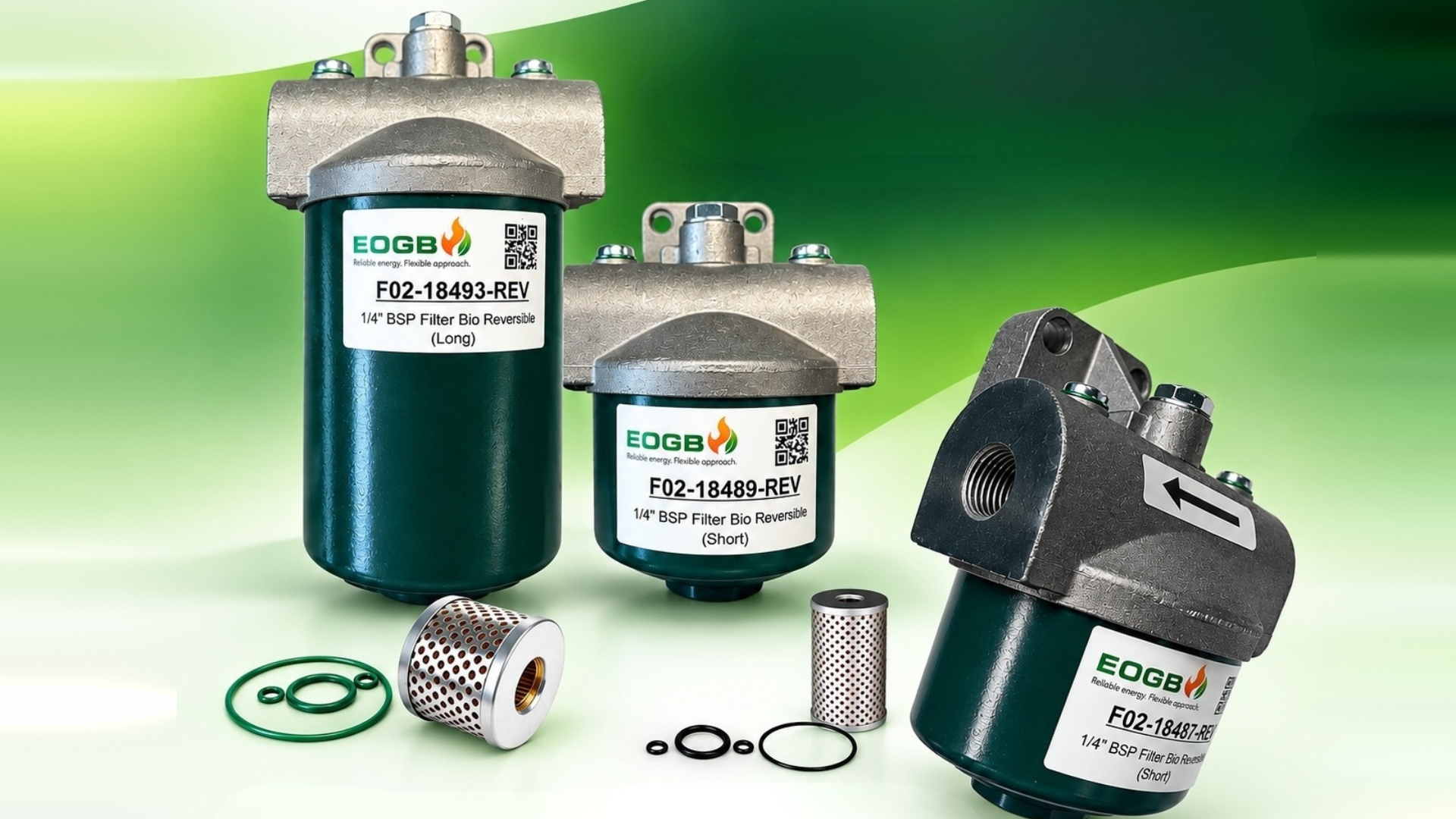
An oil boiler filter plays an essential role in maintaining the efficiency, reliability and long-term performance of an oil-fired heating system. A small but essential component, it ensures clean heating oil reaches the burner, free from contaminants that could affect performance.
Why is an Oil Boiler Filter Important?
Heating oil can contain impurities such as dirt, rust particles, sludge and traces of water. These contaminants may enter the fuel supply during storage, transportation or through the gradual deterioration of the oil tank.
Without effective filtration, contaminants can cause blockages, restrict the flow of oil and interfere with the combustion process. This may lead to:
- Reduced boiler efficiency: Restricted fuel flow can affect burner performance and combustion quality.
- Burner lockouts: Blockages or inconsistent fuel supply may prevent the burner from operating correctly.
- Increased maintenance costs: Contaminated fuel can cause premature wear and damage to burner components.
- Unreliable heating: A restricted or blocked filter can interrupt the fuel supply, potentially leaving a property without heating or hot water.
A clean, correctly maintained filter therefore helps protect the burner, supports reliable operation and contributes to the overall efficiency of the heating system.
How to Check the Condition of an Oil Boiler Filter
Regular inspection is essential to ensure that the filter continues to provide effective protection. Its condition should be checked as part of the boiler's annual servicing, in accordance with the manufacturer's instructions.
The filter element should generally be replaced annually to maintain reliable performance, help prevent blockages and protect the heating system from unnecessary wear.
Failure to do so can cause oil leaks and may allow air into the oil line which can affect the function of the oil control valve. The filter must then be bled by air by first loosening the inlet bleed screw and then the outlet bleed screw.
During routine servicing, an engineer should pay attention to more than just the condition of the filter element. Signs of wear or damage to the filter bowl, housing, seals and connections should also be checked, as these can compromise the integrity of the oil supply. Look for cracks, corrosion, loose fittings or signs of oil seepage around the filter assembly. The presence of water, sludge or excessive dirt inside the filter bowl may indicate contamination within the oil storage system and should be investigated.
An engineer should also check that the oil is flowing freely through the filter and that there are no signs of air entering the oil line. If the burner experiences repeated lockouts, difficulty starting or inconsistent operation, a restricted or contaminated filter may be one possible cause. Any issues identified should be addressed in accordance with the filter manufacturer's instructions and appropriate servicing procedures.
EOGB Reversible Filters
EOGB supplies Reversible Bio Green Filters are designed to provide an effective, practical and flexible solution for oil heating systems to resist bio-mixture up to 50%.
Available in 1/4” and 3/8” connections, with both short and long filter bowls, these filters offer flexibility for different installation requirements.
Key features and benefits include:
- Available in 1/4” and 3/8” connections, with short and long filter bowls.
- Flexible flow direction without the need for additional brackets.
- Suitable for use with kerosene, gas oil and HVO.
By trapping dirt, sludge and other contaminants before they reach the burner, EOGB reversible filters help protect essential components, maintain a consistent oil supply and support reliable boiler operation.
To explore the available filters and specifications, browse the Online Spares Catalogue.
"Our new EOGB Reversible Oil Filters supersede the long-established Bio Green filter range, which has been a popular choice with customers for many years. The updated design offers improved installation flexibility, featuring a reversible mounting bracket that can be fitted to either side of the filter to suit different installation requirements.
Also by moving forward with just the reversible versions we have been able to offer this improved filter for only small cost increase compared to the B-type filters.
By moving forward exclusively with the reversible versions, we have also been able to offer this improved design at only a small additional cost compared to the previous B-type filters, providing customers with an upgraded product at a very competitive price”.
Callum Leach, EOGB Sales Manager
